
- November 19, 2025
- 0
- Άδεια ανακαίνισης σπιτιού, Έξυπνο σπίτι (Smart Home), Σύγχρονες τάσεις ανακαίνισης σπιτιού
Electrical and Plumbing Upgrades: The First and Most Important Step in Every Home Renovation
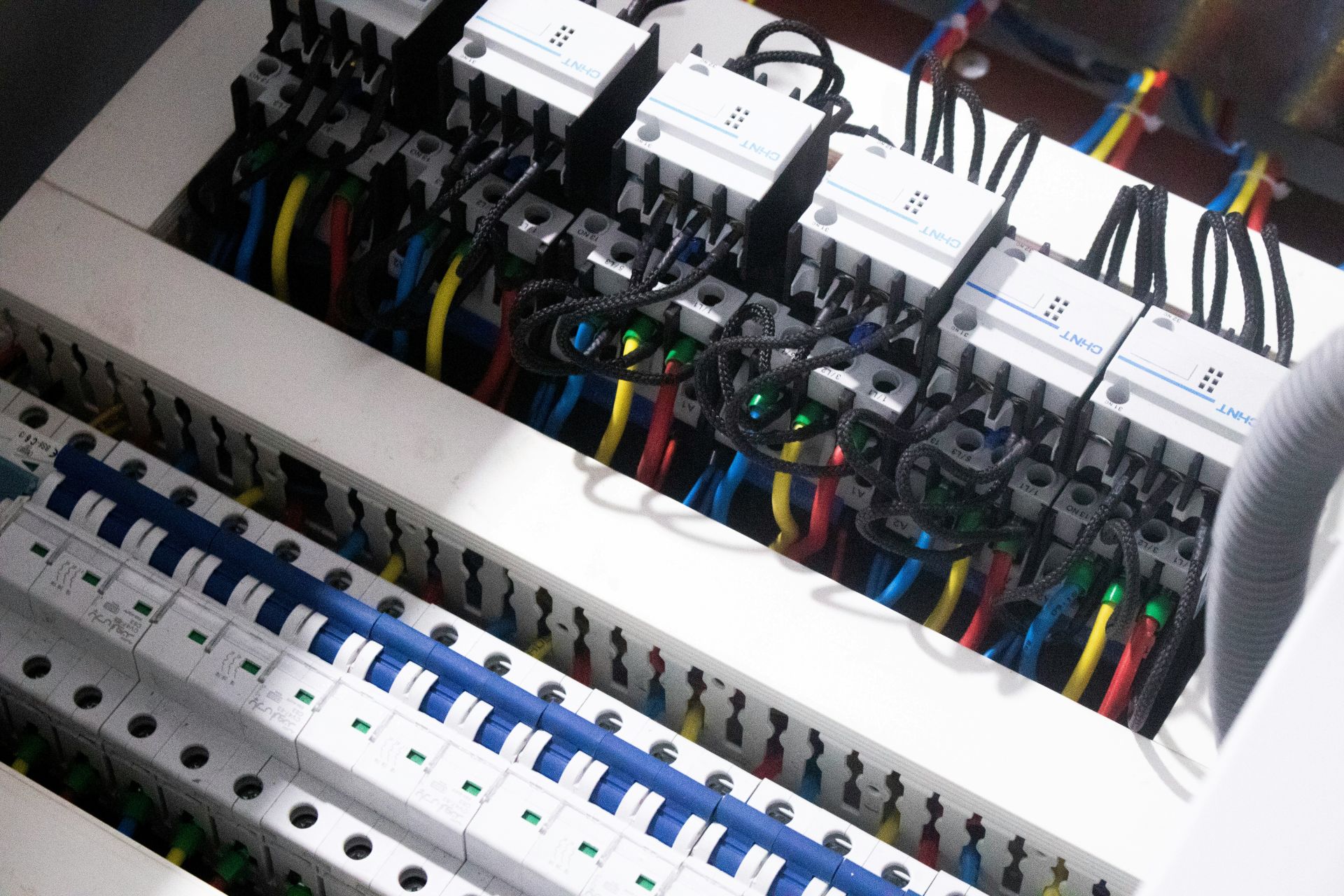
When planning a home renovation—whether complete or partial—the first things to consider are not the tiles, paint colours or kitchen design, but the electrical and plumbing systems. These are the core infrastructures that ensure the safety, functionality and long-term durability of your home. ηλεκτρολογικές και υδραυλικές εγκαταστάσεις. Πρόκειται για τις βασικές υποδομές που εξασφαλίζουν ασφάλεια, λειτουργικότητα και αντοχή του χώρου στο χρόνο.
In this article, you will discover why electrical and plumbing works should come first, what these upgrades involve, and how they can help you avoid future problems and unnecessary expenses. γιατί πρέπει να ξεκινάς από ηλεκτρολογικά και υδραυλικά, τι ακριβώς περιλαμβάνουν οι εργασίες και πώς σε βοηθούν να αποφύγεις μελλοντικά προβλήματα και περιττά έξοδα.
Why Electrical & Plumbing Systems Should Always Come First
1. Safety Above All
Older electrical and plumbing systems may conceal serious risks, including:
- Worn or outdated wiring that can cause short circuits
- Ageing pipes that may lead to leaks and damp
- Increased fire risk due to overloaded electrical circuits
Upgrading these essential systems helps eliminate potential hazards and ensures greater protection for both your property and its occupants.
2. Meeting Modern Living Requirements
Modern homes require greater electrical capacity and a more efficient distribution of electrical and plumbing connections to accommodate:
- Latest-generation air-conditioning systems
- High-power electrical appliances
- Smart home systems
- Additional electrical and plumbing connections for kitchens and bathrooms
By properly upgrading your home’s core infrastructure, you ensure that it can meet both today’s requirements and the demands of the years ahead.
3. Avoiding Rework & Additional Costs
If the aesthetic elements of a renovation are completed before the electrical and plumbing infrastructure is upgraded, walls and floors may need to be opened up again at a later stage.
This can result in:
- Wasted time
- Damage to completed finishes
- Significantly higher renovation costs
Tip: Always follow the correct sequence: infrastructure first, finishes and decoration afterwards. Πάτα πάντα στη σωστή σειρά: πρώτα υποδομές – μετά διακόσμηση.
Electrical Renovation: What Does It Include?
Upgrading an electrical installation may include:
- Installation of a new electrical distribution board with modern protective devices and increased capacity
- Replacement of outdated wiring to reduce the risk of overheating and short circuits
- Installation of Residual Current Devices (RCDs) to provide protection against electric shock
- Installation of additional sockets and electrical outlets in kitchens, living rooms, bedrooms and outdoor areas
- Energy efficiency improvements through LED lighting and smart lighting and heating control systems
Tip: Installing a smart home automation system can help reduce electricity consumption while giving you greater control over your home through a smartphone or tablet.
Plumbing Renovation: What Does It Include?
Plumbing works carried out as part of a home renovation typically include:
- Replacement of old pipework, such as ageing metal or plastic pipes, with modern, durable materials such as polypropylene or polyethylene
- Inspection and regulation of water pressure to help prevent leaks and plumbing issues in bathrooms and kitchens
- Installation of new sanitary ware, taps and fittings to improve both functionality and aesthetics
- Upgrades to drainage and ventilation systems to help reduce moisture-related problems and the risk of mould
Tip: Keep a detailed record of the location of all new pipework before walls and floors are closed. This information can be extremely valuable for future maintenance or renovation works.
Benefits of Upgrading Your Home’s Infrastructure
- Improved safety throughout the property
- Reduced future costs by preventing failures and avoiding unnecessary repeat works
- Greater comfort, with improved water pressure, reliable electrical systems and reduced energy consumption
- Future-ready infrastructure for smart home technologies and modern living requirements
Electrical and plumbing upgrades form the foundation of every properly planned home renovation. By investing in modern infrastructure, high-quality materials and careful planning, you can create a home that is safe, functional and fully equipped to meet your needs for years to come.
If you are planning a renovation, start with what truly matters: your home’s essential infrastructure.